
If you’re trying to conceive, you’ve probably wondered whether the foods on your plate can really make a difference. The answer is yes. While diet alone cannot guarantee pregnancy, the nutrients you eat every day play an important role in supporting your reproductive health, hormone balance, egg quality, and overall fertility.
Your body needs a steady supply of vitamins, minerals, healthy fats, protein, and antioxidants to create the best possible environment for conception. In fact, research suggests that certain dietary patterns may help improve fertility by reducing inflammation, supporting healthy ovulation, and providing essential nutrients needed for reproductive function.
The good news is that you don’t need a complicated or restrictive diet to support your fertility goals. Small, consistent changes—such as choosing nutrient-dense foods, eating balanced meals, and focusing on fertility-friendly ingredients—can have a meaningful impact over time.
In this guide, you’ll discover the best foods to boost fertility naturally, the nutrients that matter most, and simple ways to build a fertility-supportive diet that nourishes your body and supports your journey to pregnancy.
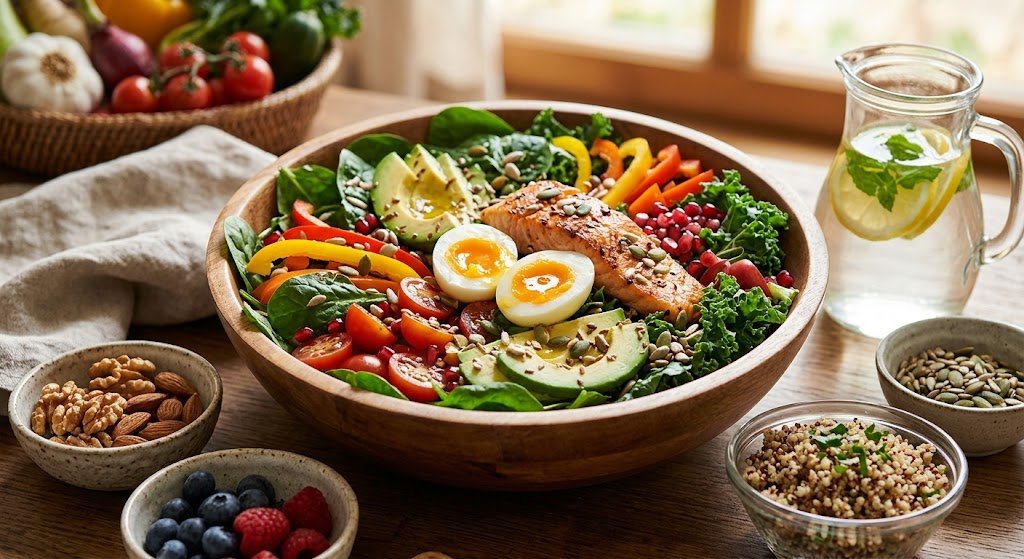
how diet affects fertility
What you eat can influence fertility in more ways than many people realize. A nutrient-rich diet helps support hormone production and balance, which is essential for regular ovulation and a healthy menstrual cycle. It also provides key nutrients that support egg quality in women and sperm health in men. On the other hand, a diet high in processed foods, added sugars, and unhealthy fats may contribute to inflammation, which can interfere with reproductive function. Blood sugar balance is another important factor, as frequent spikes and crashes in blood sugar levels may affect hormones involved in ovulation. Maintaining a healthy weight through balanced nutrition is equally important, since both underweight and overweight individuals may experience fertility challenges due to hormonal disruptions. By nourishing your body with wholesome, nutrient-dense foods, you can create a healthier environment that supports reproductive health and improves your chances of conception.
best foods that support fertility
A fertility-friendly diet focuses on nutrient-dense foods that provide the vitamins, minerals, healthy fats, and antioxidants needed for reproductive health.
1- leafy greens
- spinach
- kale
- swiss chard
- arugula
- romaine lettuce
Rich in folate, iron, and antioxidants that support ovulation and reproductive health.
2- eggs
- whole eggs (especially the yolk)
Provide high-quality protein, choline, vitamin d, and other nutrients important for fertility.
3- fatty fish
- salmon
- sardines
- mackerel
- trout
- herring
Excellent sources of omega–3 fatty acids that support hormone balance and reduce inflammation.
4- berries
- blueberries
- strawberries
- raspberries
- blackberries
Packed with antioxidants that help protect egg cells from oxidative stress.
5- legumes
- lentils
- chickpeas
- clack beans
- kidney beans
- peas
Provide plant protein, iron, fiber, and folate.
6- citrus fruits
- oranges
- grapefruits
- lemons
- limes
- tangerines
High in vitamin C, which supports iron absorption and overall reproductive health.
7- nuts
- walnuts
- almonds
- brazil nuts
- pistachios
- cashews
Contain healthy fats, vitamin E, selenium, and antioxidants.
8- seeds
- flaxseeds
- chia seeds
- pumpkin seeds
- sunflower seeds
- sesame seeds
Provide omega–3s, zinc, magnesium, and fiber.
9- whole grains
- oats
- quinoa
- brown rice
- whole wheat
- barley
Help support stable blood sugar levels and overall hormone balance.
10- healthy fats
- extra virgin olive oil
- avocados
- olives
Support hormone production and nutrient absorption.
11- fertility-supportive vegetables
- sweet potatoes
- broccoli
- brussels sprouts
- bell peppers
- carrots
Rich in antioxidants, fiber, and essential vitamins that support reproductive health.
foods that may negatively affect fertility
While no single food will cause infertility on its own, some dietary habits may make it more difficult for the body to function at its best. Diets high in ultra–processed foods, sugary drinks, refined carbohydrates, trans fats, and excessive amounts of added sugar may contribute to inflammation, insulin resistance, and hormonal imbalances that can affect fertility. Frequent consumption of these foods may also make it harder to maintain a healthy weight, which plays an important role in reproductive health. Limiting highly processed foods and choosing more whole, nutrient-rich options can help support better hormonal balance and overall fertility.