
Hormones play a major role in everything from your energy and mood to your menstrual cycle, metabolism, and reproductive health. While hormonal changes are a natural part of being a woman, your daily diet can provide the nutrients your body needs to support healthy hormone function. The good news is that you don’t need a complicated diet to support your hormones. Choosing nutrient-dense, whole foods regularly can make a meaningful difference in your overall health. In this guide, we’ll explore 15 best Foods for Hormonal Balance and explain how each one can support your body and hormone health naturally.
what causes hormonal imbalance in women?
Hormonal imbalance can happen when your body produces too much or too little of certain hormones, or when hormone levels change in ways that affect normal body functions. Some hormonal changes are completely natural, such as those that occur during the menstrual cycle, pregnancy, postpartum, perimenopause, and menopause.
However, several lifestyle and health factors can also influence hormone levels. Chronic stress, poor sleep, an unbalanced diet, excessive exercise, and significant weight changes may all affect the way your body regulates hormones. Certain medical conditions, including thyroid disorders and polycystic ovary syndrome (PCOS), can also contribute to hormonal changes.
Your diet is another important piece of the picture. A diet that lacks essential nutrients or relies heavily on highly processed foods may not provide the building blocks your body needs for healthy hormone production and metabolism. This is why choosing a variety of nutrient-rich foods can be an important part of supporting overall hormonal health.
While food alone cannot “balance” hormones or treat an underlying hormonal disorder, a healthy, balanced diet can provide essential nutrients that support normal hormone function. That’s where Foods for Hormonal Balance can play a role in a healthy lifestyle.
15 best foods for hormonal balance
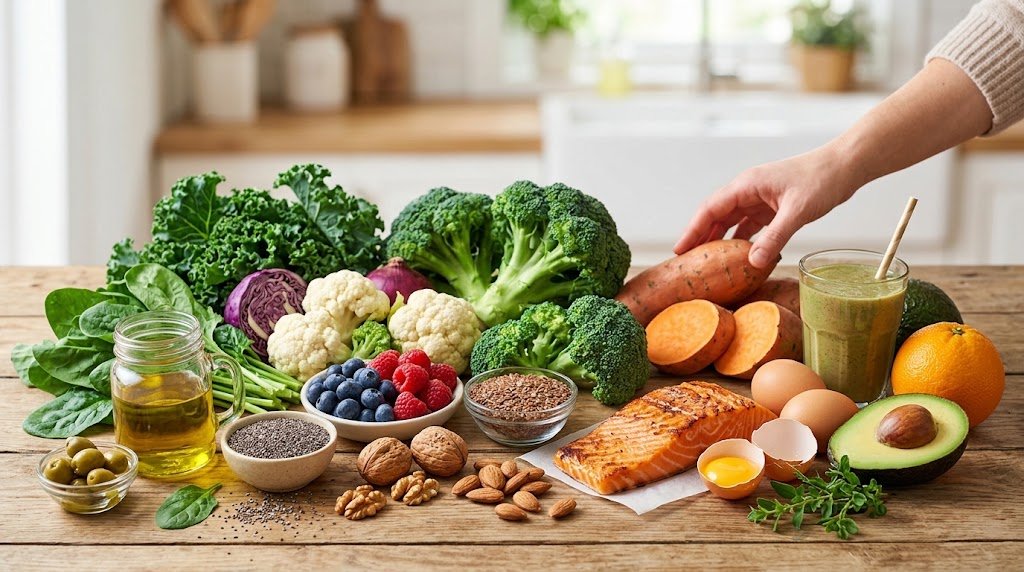
These nutrient-rich foods can support hormonal health by providing essential vitamins, minerals, healthy fats, fiber, antioxidants, and other nutrients your body needs for normal hormone production and metabolism. Here are 15 of the best foods to include in a balanced diet:
1- broccoli and cruciferous vegetables
Broccoli, cauliflower, cabbage, and Brussels sprouts contain fiber and plant compounds that support normal estrogen metabolism.
2-leafy greens
Spinach, kale, and other leafy greens provide fiber, folate, magnesium, and antioxidants that support overall metabolic health.
3- flaxseeds and nuts
Almonds, walnuts, chia seeds, and flaxseeds provide healthy fats, fiber, magnesium, and other nutrients that can support overall hormonal health.
4- berries
Strawberries, blueberries, and raspberries are rich in antioxidants and fiber while being naturally low in added sugar.
5- avocados
Avocados are rich in healthy monounsaturated fats, fiber, magnesium, and potassium, making them a nutrient-dense addition to a hormone-supportive diet.
6- quinoa and oats
Provide fiber and complex carbohydrates that can help support steady energy and blood sugar levels.
7- legumes
Lentils, chickpeas, and beans are excellent sources of plant-based protein and fiber, which can support healthy blood sugar regulation and digestive health.
8- sweet potatoes
Sweet potatoes provide complex carbohydrates, fiber, beta-carotene, and potassium, making them a nutrient-rich option for balanced meals.
9- fatty fish
Salmon, sardines, and mackerel are rich in omega-3 fatty acids, which support overall health and may help maintain a healthy inflammatory response.
10- eggs
Eggs provide high-quality protein along with nutrients such as choline, vitamin B12, and selenium, which are important for overall metabolic and reproductive health.
11- Extra Virgin Olive Oil
Extra virgin olive oil is rich in monounsaturated fats and antioxidant compounds and can be a healthy replacement for highly processed fats.
12- chia seeds
They’re rich in omega-3 fatty acids, fiber, and essential minerals that support hormone health and balance. Their high fiber content helps stabilize blood sugar levels, which is crucial for maintaining hormonal equilibrium.
13- Dark Chocolate
Dark chocolate with a high cocoa content provides magnesium and antioxidant-rich cocoa compounds. Choose varieties with minimal added sugar and enjoy them in moderation.
14- Probiotics and Prebiotics
Foods such as kefir, yogurt, sauerkraut, and kimchi can provide beneficial microorganisms that support gut health, which is closely connected to overall metabolic and hormonal health.
15- Organic Lean Meats
These meats, like grass-fed beef, lamb, elk, and bison, provide high-quality proteins essential for hormone synthesis and regulation. Wild-caught seafood and poultry are also great sources of protein, packed with minerals that your body needs.
essential nutrients for hormonal balance
Your body needs a variety of essential nutrients to produce hormones, regulate hormone activity, and support the organs involved in hormonal health. While no single nutrient can “balance” your hormones on its own, getting enough of certain vitamins, minerals, healthy fats, protein, and fiber can support normal hormone function and overall health.
- Omega-3 fatty acids: Found in fatty fish, chia seeds, flaxseeds, and walnuts. They support healthy inflammatory processes and overall reproductive and metabolic health.
- Magnesium: Found in leafy greens, nuts, seeds, and whole grains. It plays a role in hundreds of processes in the body, including energy production and normal muscle and nerve function.
- Vitamin D: Found in fatty fish, egg yolks, and fortified foods, while sunlight helps your body produce it. Vitamin D is important for bone, immune, and overall health.
- B vitamins: Foods such as eggs, legumes, whole grains, and leafy greens provide B vitamins that are involved in energy metabolism and many biochemical processes related to hormone production.
- Zinc: Found in seafood, meat, eggs, nuts, and seeds. Zinc supports normal immune function, cell growth, and reproductive health.
- Selenium: Found in seafood, eggs, meat, and Brazil nuts. It is particularly important for normal thyroid function.
- Iron: Found in red meat, poultry, seafood, lentils, beans, and leafy greens. Adequate iron is especially important for women who experience menstrual blood loss.
- Fiber: Found in vegetables, fruits, legumes, seeds, and whole grains. Fiber supports digestive health and helps maintain healthy blood sugar levels, making it an important part of a hormone-supportive diet.
A varied, nutrient-dense diet is usually the best way to get these nutrients. If you suspect a deficiency or have symptoms of a hormonal disorder, talk to a healthcare professional rather than relying on supplements alone.