
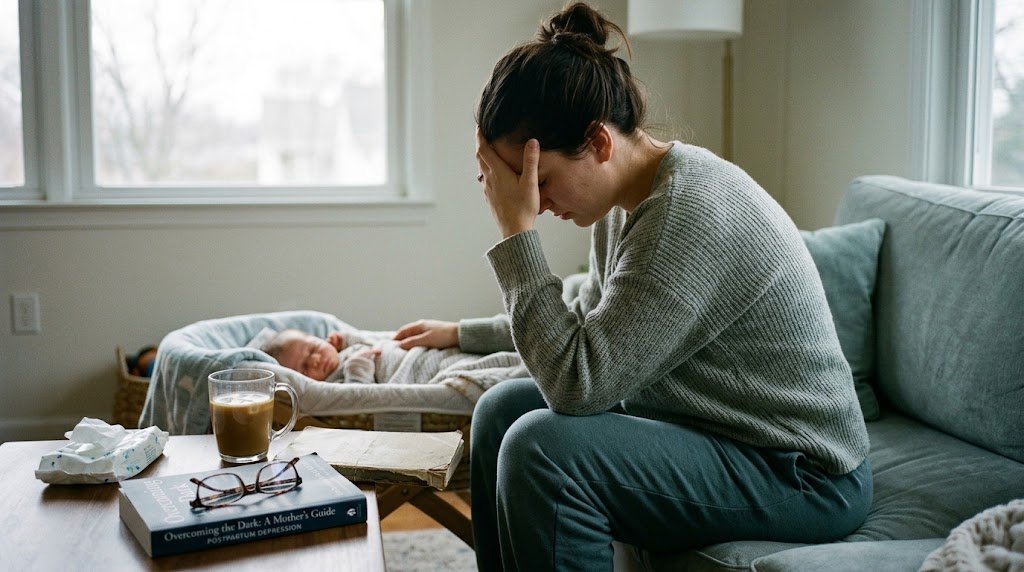
Bringing a new baby into the world is often described as one of life’s happiest experiences. However, for many women, the postpartum period can also bring unexpected emotional challenges. While temporary mood changes are common after childbirth, some mothers develop a more serious condition known as postpartum depression (PPD).
Postpartum depression is a common mental health condition that affects women after giving birth. It can impact a mother’s emotional well-being, daily functioning, relationships, and ability to care for herself and her baby. Understanding the symptoms, causes, and treatment options can help women seek support and recover successfully.
What Is Postpartum Depression?
Postpartum depression is a type of depression that occurs during the weeks, months, or even the first year after childbirth. Unlike the “baby blues,” which typically improve within two weeks, postpartum depression is more severe and lasts longer.
This condition can affect mothers regardless of age, background, or whether the pregnancy was planned. It is a medical condition—not a personal weakness—and effective treatments are available.
Baby Blues vs. Postpartum Depression
Many women experience the baby blues shortly after delivery. Symptoms may include:
- Mood swings
- Crying spells
- Irritability
- Anxiety
- Difficulty sleeping
These symptoms usually begin within a few days after birth and improve within two weeks.
Postpartum depression, on the other hand, is more intense and persistent. Symptoms can interfere with daily life and may continue for months without treatment.
Symptoms of Postpartum Depression
Symptoms vary from person to person but may include:
Emotional Symptoms
- Persistent sadness or low mood
- Frequent crying
- Feelings of hopelessness
- Excessive guilt or shame
- Feeling overwhelmed
- Irritability or anger
Mental Symptoms
- Difficulty concentrating
- Trouble making decisions
- Racing thoughts
- Excessive worry about the baby
- Feeling disconnected from the baby
Physical Symptoms
- Fatigue that doesn’t improve with rest
- Changes in appetite
- Sleep problems, even when the baby is sleeping
- Low energy
- Unexplained aches or pains
Behavioral Symptoms
- Withdrawal from family and friends
- Loss of interest in activities once enjoyed
- Difficulty bonding with the baby
- Avoiding daily responsibilities
In severe cases, some women may experience thoughts of self-harm or harming the baby. These symptoms require immediate medical attention.
Causes of Postpartum Depression
There is no single cause of postpartum depression. Instead, it usually develops due to a combination of physical, emotional, and environmental factors.
- Hormonal Changes
After childbirth, estrogen and progesterone levels drop rapidly. These hormonal shifts can affect brain chemistry and mood regulation.
- Sleep Deprivation
Caring for a newborn often leads to disrupted sleep. Chronic sleep deprivation can significantly increase the risk of depression.
- Emotional Stress
Adjusting to motherhood, recovering from childbirth, and managing new responsibilities can create emotional strain.
- Previous Mental Health Conditions
Women with a history of depression, anxiety, or postpartum depression may have a higher risk of developing PPD.
- Lack of Support
Limited emotional, practical, or social support can contribute to feelings of isolation and overwhelm.
Risk Factors
Several factors may increase the likelihood of postpartum depression, including:
- Previous depression or anxiety
- Family history of mood disorders
- Difficult pregnancy or delivery
- Pregnancy complications
- Financial stress
- Relationship difficulties
- Multiple births (twins or triplets)
- Lack of social support
- Significant life changes occurring around childbirth
Having one or more risk factors does not guarantee postpartum depression, but awareness can help with early detection.
How Is Postpartum Depression Diagnosed?
Healthcare providers diagnose postpartum depression based on symptoms, medical history, and mental health assessments.
Women should speak with their doctor if symptoms:
- Last longer than two weeks
- Become more severe
- Interfere with daily activities
- Affect bonding with the baby
- Cause thoughts of self-harm
Early diagnosis often leads to better outcomes and faster recovery.
Treatment Options
Postpartum depression is treatable, and many women recover fully with appropriate care.
Therapy
Psychotherapy is often one of the most effective treatments. Common approaches include:
- Cognitive Behavioral Therapy (CBT)
- Interpersonal Therapy (IPT)
- Supportive counseling
Medication
Some women benefit from antidepressant medications. A healthcare provider can determine which options are appropriate, especially for mothers who are breastfeeding.
Support Groups
Connecting with other mothers experiencing similar challenges can reduce feelings of isolation and provide emotional support.
Lifestyle Strategies
While professional treatment is often necessary, healthy lifestyle habits can support recovery:
- Prioritize rest whenever possible
- Accept help from family and friends
- Eat balanced, nutritious meals
- Engage in gentle physical activity
- Spend time outdoors
- Maintain social connections
When to Seek Immediate Help
Seek urgent medical attention if a mother experiences:
- Thoughts of self-harm
- Thoughts of harming the baby
- Severe confusion
- Hallucinations
- Delusions
These symptoms may indicate postpartum psychosis, a rare but serious medical emergency.
Can Postpartum Depression Be Prevented?
There is no guaranteed way to prevent postpartum depression, but certain strategies may help lower the risk:
- Discuss mental health history with a healthcare provider during pregnancy
- Build a strong support system before delivery
- Create realistic expectations about motherhood
- Prioritize sleep and self-care
- Attend postpartum follow-up appointments
Early recognition and intervention are key to preventing symptoms from worsening.