
When most people think about hydration, they think about drinking enough water. However, staying hydrated is about more than just water. Electrolytes play a vital role in maintaining fluid balance, supporting muscle function, and helping the body perform essential processes every day.
For women, electrolyte balance can be especially important during menstruation, pregnancy, exercise, illness, and periods of increased stress.
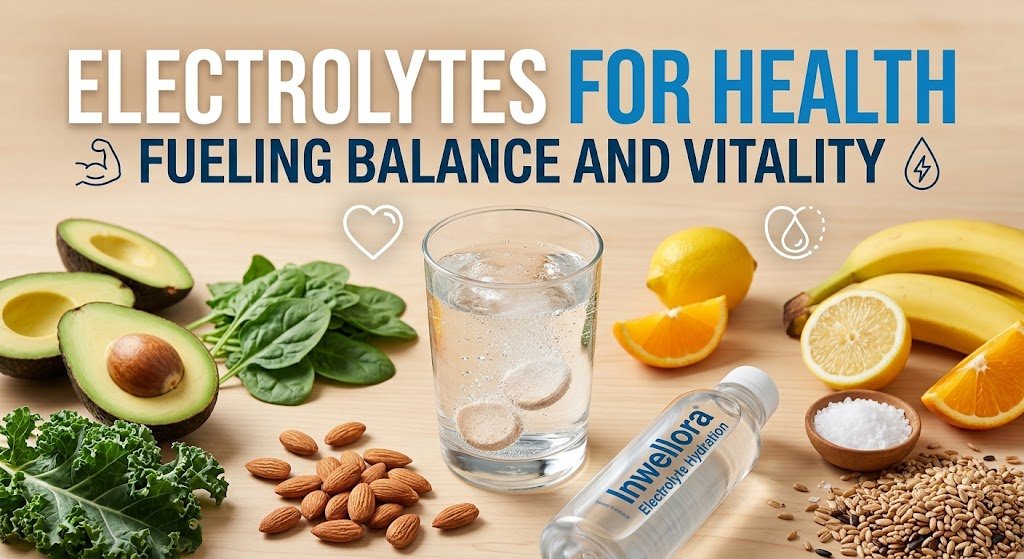
What Are Electrolytes?
Electrolytes are minerals that carry an electrical charge when dissolved in fluids. They help regulate many important functions in the body, including:
- Hydration
- Muscle contractions
- Nerve signaling
- Blood pressure regulation
- pH balance
The main electrolytes include:
- Sodium
- Potassium
- Magnesium
- Calcium
- Chloride
Why Are Electrolytes Important for Women?
Women may experience fluctuations in hydration and mineral balance throughout different stages of life.
Support Energy Levels
Electrolytes help cells function properly and allow muscles and nerves to communicate efficiently. An imbalance may contribute to fatigue, weakness, and reduced physical performance.
Help During Menstruation
Some women lose fluids and minerals during their menstrual cycle. Staying hydrated and maintaining electrolyte balance may help support overall well-being during this time.
Support Active Lifestyles
Women who exercise regularly lose electrolytes through sweat. Replacing lost minerals can help support recovery and muscle function.
Promote Muscle and Nerve Function
Electrolytes such as magnesium, calcium, and potassium are essential for normal muscle contractions and nerve signaling.
Signs of Electrolyte Imbalance
Electrolyte imbalances can occur when the body loses too much fluid or does not get enough minerals from food.
Common signs may include:
- Fatigue
- Muscle cramps
- Headaches
- Dizziness
- Weakness
- Increased thirst
- Irregular heartbeat in severe cases
Best Food Sources of Electrolytes
Many electrolyte-rich foods can be included in a balanced diet.
Potassium-Rich Foods
- Bananas
- Avocados
- Sweet potatoes
- Spinach
- Nuts
- Seeds
- Dark leafy greens
- Whole grains
Calcium-Rich Foods
- Yogurt
- Milk
- Cheese
- Fortified plant-based beverages
Sodium Sources
Most people obtain enough sodium through their regular diet. However, sodium losses may increase during intense sweating or illness.
Tips for Maintaining Healthy Electrolyte Balance
- Drink water regularly throughout the day.
- Eat a balanced diet rich in fruits and vegetables.
- Replace fluids after exercise.
- Consider electrolyte-containing beverages during prolonged physical activity.
- Avoid excessive consumption of highly processed foods.
Electrolytes are essential minerals that help support hydration, energy production, muscle function, and overall health. For women, maintaining a healthy balance of electrolytes can support wellness throughout different life stages, from menstruation to pregnancy and beyond.
A balanced diet, proper hydration, and attention to your body’s needs are often the best ways to maintain healthy electrolyte levels.