
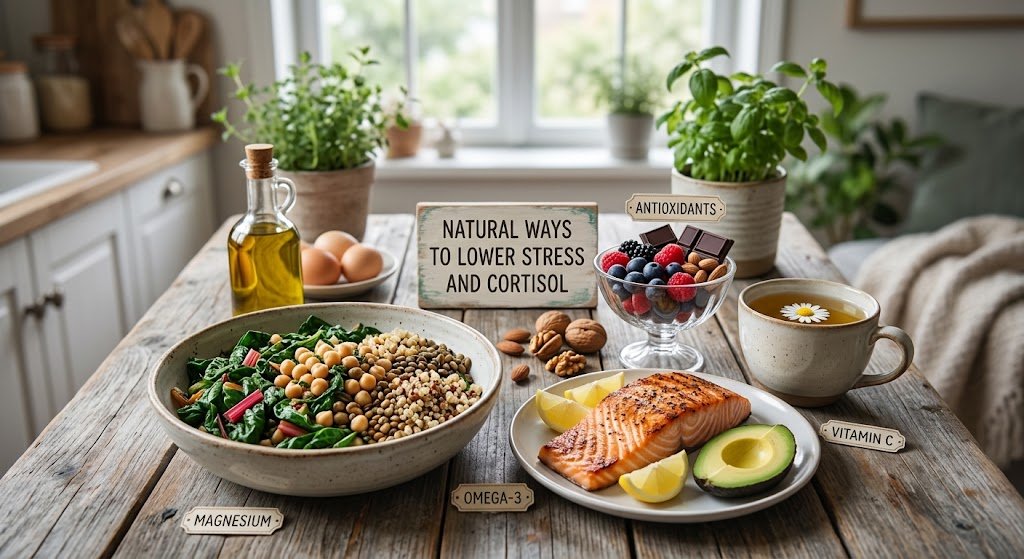
Stress and cortisol are closely connected. Cortisol, often called the “stress hormone,” plays an important role in regulating metabolism, blood sugar, inflammation, and the body’s response to stress. However, consistently high cortisol levels may contribute to fatigue, weight gain, poor sleep, anxiety, digestive issues, and hormonal imbalances.
While managing stress requires a comprehensive approach that includes quality sleep, regular movement, and relaxation techniques, nutrition can also play a powerful role. Certain foods provide nutrients that support the nervous system, reduce inflammation, and help the body regulate cortisol more effectively.
Here are the top foods that may help reduce stress and support healthy cortisol levels naturally.
- Fatty Fish
Fatty fish such as salmon, sardines, mackerel, and trout are rich in omega-3 fatty acids, which have been shown to help reduce inflammation and support brain health. Omega-3s may also help lower the body’s stress response and improve mood.
Try to include fatty fish in your diet at least twice per week for optimal benefits.
- Avocados
Avocados provide healthy monounsaturated fats, magnesium, potassium, and fiber. Magnesium is particularly important because it helps regulate the nervous system and may promote relaxation.
Adding avocado to salads, sandwiches, or smoothies can be an easy way to support stress resilience.
- Dark Chocolate
dark chocolate contains antioxidants called flavonoids that may help reduce stress-related inflammation and support healthy blood flow to the brain.
Choose dark chocolate with at least 70% cocoa and enjoy it in moderation.
- Berries
Blueberries, strawberries, raspberries, and blackberries are packed with antioxidants and vitamin C. Chronic stress can increase oxidative stress in the body, and antioxidant-rich foods help protect cells from damage.
Berries also make a convenient snack or addition to yogurt and oatmeal.
- Leafy Green Vegetables
Spinach, kale, arugula, and Swiss chard are excellent sources of magnesium, folate, and antioxidants. Magnesium is often referred to as the “relaxation mineral” because it supports muscle relaxation and nervous system function.
Including leafy greens regularly may help support a healthier stress response.
- Nuts and Seeds
Almonds, walnuts, pumpkin seeds, sunflower seeds, and chia seeds contain magnesium, zinc, healthy fats, and protein. These nutrients help stabilize blood sugar levels and support the body’s ability to cope with stress.
A small handful of nuts can be a satisfying and nutrient-dense snack.
- Greek Yogurt
The gut and brain are closely connected through the gut-brain axis. Greek yogurt contains probiotics that support a healthy gut microbiome, which may positively influence mood and stress levels.
Choose plain, unsweetened yogurt whenever possible to avoid added sugars.
- Eggs
Eggs provide high-quality protein, choline, and B vitamins. B vitamins play an important role in energy production and nervous system health, helping the body manage physical and emotional stress more effectively.
They are also one of the most versatile foods to include in a balanced diet.
- Oats
Oats are a complex carbohydrate that helps support steady blood sugar levels. They may also promote the production of serotonin, a neurotransmitter associated with feelings of calm and well-being.
A bowl of oatmeal can be a comforting and nourishing breakfast during stressful periods.
- Green Tea
Green tea contains L-theanine, an amino acid known for its calming effects. L-theanine may help improve focus while promoting relaxation without causing drowsiness.
Replacing sugary beverages with green tea can be a simple stress-management strategy.
- Bananas
Bananas are rich in potassium, vitamin B6, and carbohydrates that support serotonin production. They are also easy to digest and make a convenient snack when stress levels are high.
Pairing a banana with a source of protein, such as nuts, can help maintain stable energy levels.
- Fermented Foods
Foods like kefir, sauerkraut, kimchi, and yogurt contain beneficial bacteria that support gut health. Research suggests that a balanced gut microbiome may influence mood, anxiety, and stress responses.
Including fermented foods regularly can be a valuable part of a stress-supportive diet.
Foods That May Increase Cortisol
While some foods support healthy stress regulation, others may contribute to cortisol spikes or worsen stress symptoms. Consider limiting:
- Excess caffeine
- Sugary drinks
- Highly processed foods
- Excess alcohol
- Refined carbohydrates
- Frequent energy drinks
These foods can contribute to blood sugar fluctuations and may increase feelings of anxiety or stress in some individuals.
Additional Ways to Lower Cortisol Naturally
Nutrition is only one piece of the puzzle. To support healthy cortisol levels:
- Aim for 7–9 hours of quality sleep.
- Engage in regular physical activity.
- Spend time outdoors.
- Practice mindfulness or meditation.
- Maintain healthy social connections.
- Avoid chronic dieting and extreme calorie restriction.
Managing stress and maintaining healthy cortisol levels requires a combination of lifestyle habits and nourishing foods. Fatty fish, leafy greens, berries, nuts, seeds, fermented foods, and other nutrient-dense options provide valuable nutrients that support the body’s natural stress response.
While no single food can eliminate stress completely, building a balanced diet around these foods may help improve resilience, support hormone balance, and promote overall well-being.