
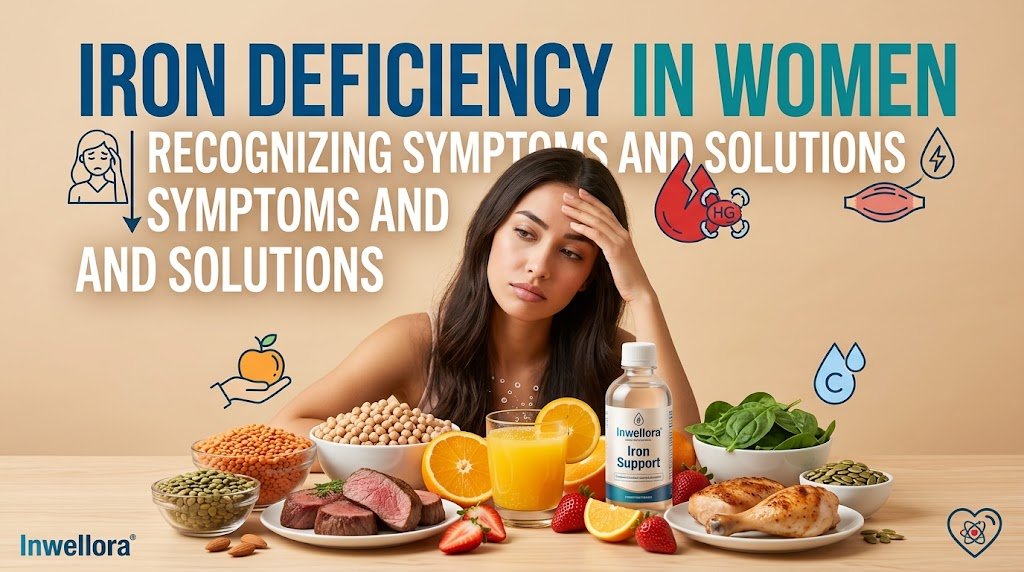
Iron deficiency is one of the most common nutritional deficiencies worldwide, and women are particularly at risk. Because iron is essential for carrying oxygen throughout the body, low iron levels can affect energy, concentration, and overall well-being.
Understanding the symptoms, causes, and treatment options can help women take steps toward restoring healthy iron levels.
What Is Iron Deficiency?
Iron is a mineral that helps the body produce hemoglobin, a protein found in red blood cells that carries oxygen to tissues and organs.
When the body does not have enough iron, it may struggle to produce adequate hemoglobin, which can eventually lead to iron deficiency anemia.
Common Symptoms of Iron Deficiency in Women
Symptoms can develop gradually and may vary from person to person.
Common signs include:
- Persistent fatigue
- Weakness
- Shortness of breath
- Dizziness
- Frequent headaches
- Pale skin
- Cold hands and feet
- Brittle nails
- Hair thinning or increased hair shedding
- Difficulty concentrating
Some women may have low iron stores without experiencing noticeable symptoms.
Why Is Iron Deficiency So Common in Women?
Several factors contribute to iron deficiency in women.
1- Heavy Menstrual Bleeding
Women who experience heavy or prolonged periods may lose significant amounts of iron each month.
2- Pregnancy
During pregnancy, iron requirements increase to support the growing baby and placenta.
3- Low Dietary Iron Intake
Women who consume limited amounts of iron-rich foods may be more likely to develop deficiency.
4- Digestive Conditions
Certain digestive disorders can reduce the body’s ability to absorb iron effectively.
Best Sources of Iron
Including iron-rich foods in your diet can help support healthy iron levels.
Animal Sources (Heme Iron)
Heme iron is generally absorbed more efficiently by the body.
- Lean red meat
- Poultry
- Fish
Plant Sources (Non-Heme Iron)
- Lentils
- Beans
- Chickpeas
- Spinach
- Tofu
- Pumpkin seeds
How to Improve Iron Absorption
The body absorbs iron more effectively when it is paired with vitamin C.
Good sources of vitamin C include:
- Oranges
- Strawberries
- Kiwi
- Bell peppers
- Broccoli
It may also help to avoid drinking tea or coffee immediately with iron-rich meals, as they can reduce iron absorption.
When Should You Consider Testing?
If you frequently experience fatigue, hair loss, dizziness, or heavy menstrual bleeding, it may be worth discussing iron testing with your healthcare provider.
Common tests include:
- Complete Blood Count (CBC)
- Ferritin
- Serum Iron
- Total Iron Binding Capacity (TIBC)
These tests can help determine whether iron deficiency is contributing to your symptoms.