
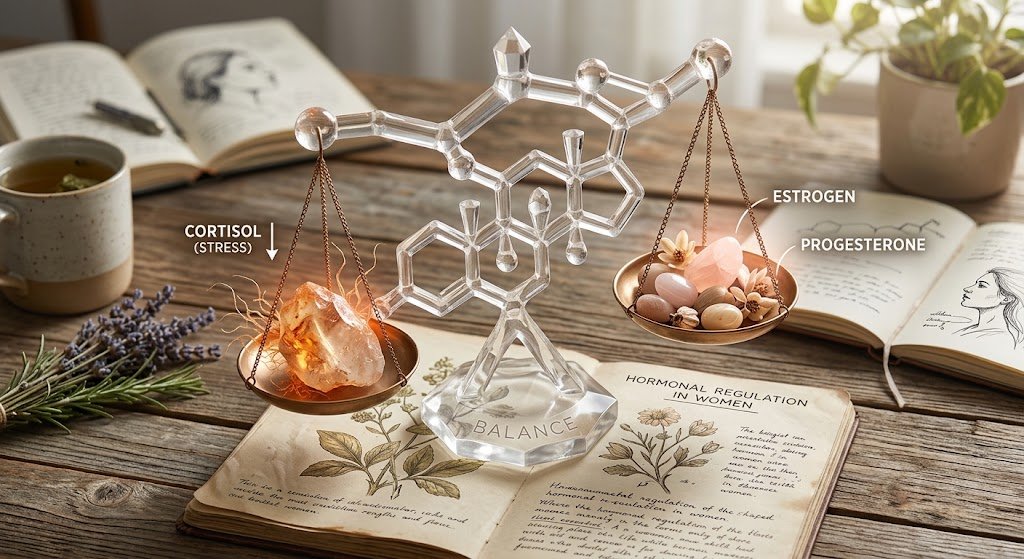
Stress is a normal part of life, but when it becomes chronic, it can affect much more than your mood. One of the main stress hormones in the body is cortisol, a hormone produced by the adrenal glands. While cortisol is essential for survival, consistently elevated levels can disrupt the delicate balance of women’s hormones.
Many women experiencing irregular periods, fertility challenges, weight gain, sleep problems, or mood changes may not realize that chronic stress and high cortisol levels could be contributing factors. Understanding how cortisol interacts with the female hormonal system can help women make informed choices to support their overall health.
What Is Cortisol?
Cortisol is often called the “stress hormone.” It is released by the adrenal glands in response to physical or emotional stress. Cortisol helps the body:
- Regulate blood sugar levels
- Control inflammation
- Maintain blood pressure
- Support the sleep-wake cycle
- Provide energy during stressful situations
In the short term, cortisol is beneficial. However, when stress becomes chronic, cortisol can remain elevated for long periods and begin affecting other hormones.
How Cortisol Affects Women’s Hormones
Women’s hormones work together in a complex system involving the brain, ovaries, adrenal glands, and thyroid. Elevated cortisol can interfere with this balance in several ways.
- Cortisol Can Affect Ovulation
Chronic stress may signal to the body that conditions are not ideal for reproduction. As a result, cortisol can influence the communication between the brain and ovaries, potentially disrupting ovulation.
Some women may notice:
- Irregular menstrual cycles
- Delayed ovulation
- Missed periods
- Changes in cervical mucus patterns
2. Cortisol May Lower Progesterone Levels
Progesterone is an important hormone that supports menstrual cycle balance and pregnancy. Long-term stress can contribute to hormonal fluctuations that may affect progesterone production after ovulation.
Possible symptoms include:
- PMS symptoms
- Mood changes
- Sleep difficulties
- Irregular cycles
3. Cortisol Can Influence Estrogen Balance
High cortisol levels may affect how the body regulates estrogen. In some women, this can contribute to symptoms associated with hormonal imbalance, including:
- Breast tenderness
- Bloating
- Heavy periods
- Mood swings
- Headaches
The exact effect can vary from person to person depending on age, health status, and other hormonal factors.
- Cortisol and Insulin Resistance
Chronically elevated cortisol can increase blood sugar levels and may contribute to insulin resistance over time.
Insulin resistance can make it harder to:
- Maintain a healthy weight
- Support regular ovulation
- Balance reproductive hormones
This relationship is one reason why stress management is often included in holistic approaches to women’s hormonal health.
- Cortisol Can Affect Thyroid Function
The thyroid and adrenal systems are closely connected. Ongoing stress may influence thyroid hormone regulation, which can contribute to symptoms such as:
- Fatigue
- Hair shedding
- Difficulty losing weight
- Feeling sluggish
- Changes in menstrual cycles
Cortisol and Fertility
High stress does not automatically cause infertility, but chronic stress may influence hormonal signals involved in reproduction.
Research suggests that stress-related hormonal changes may affect:
- Ovulation
- Menstrual regularity
- Sexual desire
- Overall reproductive health
Common Signs of High Cortisol in Women
Symptoms associated with elevated cortisol may include:
- Difficulty falling asleep or staying asleep
- Increased cravings for sugar
- Weight gain, especially around the abdomen
- Fatigue despite feeling “wired”
- Anxiety or irritability
- Irregular periods
- Hair shedding
- Frequent headaches
- Reduced stress tolerance
These symptoms can also have other causes, so professional medical evaluation may be necessary.
How to Support Healthy Cortisol Levels
While occasional stress is unavoidable, certain lifestyle habits may help support healthy cortisol regulation.
1- Prioritize Sleep
Sleep is one of the most important factors for hormone balance. Aim for 7–9 hours of quality sleep each night whenever possible.
2- Exercise Regularly
Moderate exercise can help regulate stress hormones. Walking, strength training, yoga, and cycling are all excellent options.
3- Eat Balanced Meals
Include:
- Protein with each meal
- Healthy fats
- High-fiber vegetables
- Whole-food carbohydrate sources
Balanced meals can help stabilize blood sugar and support hormone health.
4- Manage Stress Daily
Helpful practices include:
- Deep breathing exercises
- Meditation
- Journaling
- Spending time outdoors
- Prayer or mindfulness practices
5- Limit Excess Caffeine
Too much caffeine may increase cortisol levels in some individuals, especially when consumed on an empty stomach.
When Should You Talk to a Healthcare Professional?
Consider seeking medical advice if you experience:
- Persistent irregular periods
- Unexplained weight gain
- Ongoing fatigue
- Fertility concerns
- Significant hair loss
- Severe sleep disturbances
A healthcare professional may recommend appropriate testing to identify potential hormonal or metabolic causes.
Final Thoughts
Cortisol plays an essential role in the body’s stress response, but chronically elevated levels can influence many aspects of women’s hormonal health. From ovulation and progesterone production to insulin sensitivity and fertility, cortisol interacts with several hormone systems throughout the body.
Supporting healthy stress management, sleep, nutrition, and exercise habits may help promote better hormonal balance and overall well-being.