
Uterine fibroids are one of the most common gynecological conditions affecting women during their reproductive years. These non-cancerous growths develop in or around the uterus and can vary greatly in size, number, and location. While many women never experience symptoms, others may struggle with heavy periods, pelvic pain, or fertility challenges.
Understanding the signs of uterine fibroids can help you seek medical advice early and explore the right treatment options.
What Are Uterine Fibroids?
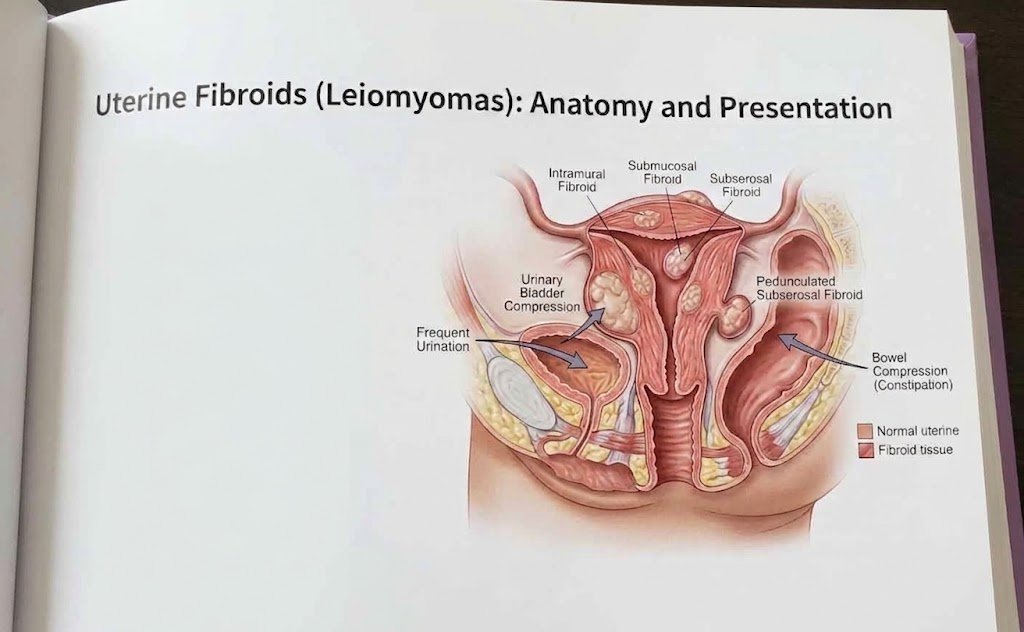
Uterine fibroids, also known as leiomyomas or myomas, are benign tumors that develop from the muscle tissue of the uterus. They are not cancerous and rarely become cancerous. Fibroids can be as small as a seed or large enough to change the shape of the uterus.
11 Common Uterine Fibroid Symptoms
- Heavy Menstrual Bleeding
One of the most common signs of fibroids is unusually heavy periods. Some women may need to change pads or tampons frequently or experience blood clots during menstruation.
- Prolonged Periods
Periods lasting longer than seven days can sometimes be linked to fibroids, especially when they grow inside the uterine cavity.
- Pelvic Pressure
Fibroids can create a feeling of fullness or pressure in the lower abdomen, particularly when they become larger.
- Pelvic Pain
Some women experience ongoing pelvic discomfort or cramping caused by fibroids.
- Frequent Urination
Large fibroids may press against the bladder, leading to more frequent trips to the bathroom.
- Difficulty Emptying the Bladder
Pressure from fibroids can sometimes make it harder to fully empty the bladder.
- Constipation
Fibroids located near the bowel may contribute to constipation or difficulty passing stools.
- Lower Back Pain
Some women experience chronic lower back pain due to pressure from larger fibroids.
- Pain During Intercourse
Depending on their location, fibroids can cause discomfort or pain during sexual activity.
- Enlarged Abdomen
Very large fibroids may cause the abdomen to appear swollen or enlarged, sometimes resembling pregnancy.
- Fatigue and Low Iron Levels
Heavy menstrual bleeding caused by fibroids may lead to iron deficiency anemia, which can result in fatigue, weakness, and reduced energy levels.
What Causes Uterine Fibroids?
The exact cause of uterine fibroids remains unclear. However, researchers believe several factors may contribute:
- Estrogen and progesterone may stimulate fibroid growth.
- Family history increases risk.
- Certain genetic changes are commonly found in fibroids.
- Obesity and low vitamin D levels may be associated with a higher risk.
Types of Uterine Fibroids
Intramural Fibroids
Grow within the muscular wall of the uterus.
Submucosal Fibroids
Develop inside the uterine cavity and are more likely to cause heavy bleeding.
Subserosal Fibroids
Grow on the outer surface of the uterus and may press on nearby organs.
Can Fibroids Affect Fertility?
Many women with fibroids conceive naturally. However, certain fibroids, particularly submucosal fibroids, may interfere with fertility or increase the risk of pregnancy complications.
How Are Fibroids Diagnosed?
A healthcare provider may diagnose fibroids through:
- Pelvic examination
- Ultrasound
- MRI in selected cases
- Additional imaging tests when needed
Treatment Options for Uterine Fibroids
Treatment depends on symptom severity, fibroid size, age, and future pregnancy plans.
Options may include:
- Watchful waiting
- Hormonal medications
- Tranexamic acid for heavy bleeding
- Hormonal IUDs
- Uterine artery embolization
- Myomectomy (fibroid removal surgery)
- Hysterectomy in severe cases
When Should You See a Doctor?
Schedule a medical evaluation if you experience:
- Very heavy periods
- Pelvic pain that doesn’t improve
- Bleeding between periods
- Difficulty urinating
- Symptoms of anemia such as fatigue or dizziness
Can uterine fibroids go away on their own?
Some fibroids may shrink naturally, especially after menopause when hormone levels decline.
Are uterine fibroids cancerous?
No. Fibroids are non-cancerous growths and rarely become cancerous.
Can fibroids cause weight gain?
Large fibroids may increase abdominal size and contribute to a feeling of weight gain, although they do not directly cause body fat accumulation.