
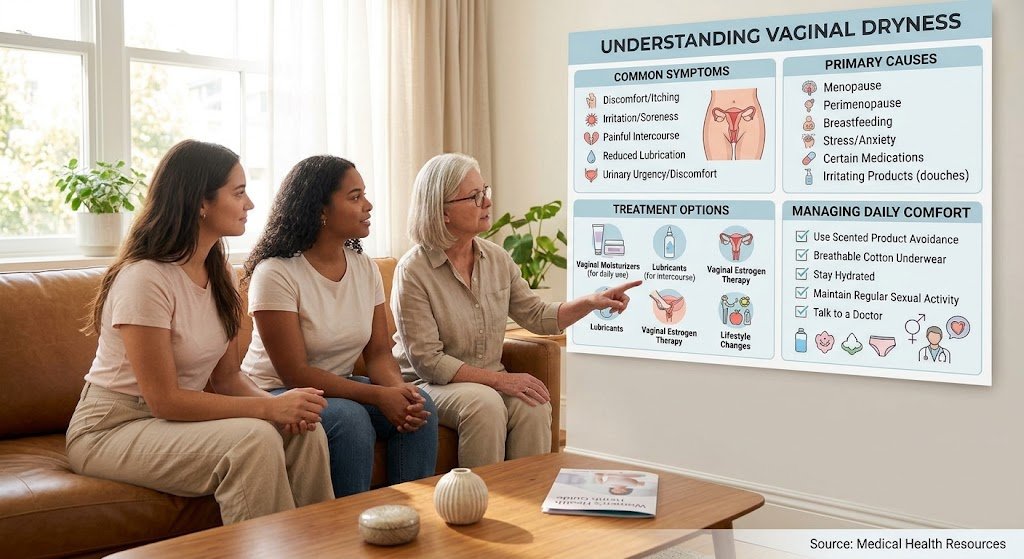
Vaginal dryness is a common condition that can affect women of all ages. While many people associate it with menopause, vaginal dryness can also occur during breastfeeding, after childbirth, or as a side effect of certain medications. Lower estrogen levels are one of the most common causes, but they are not the only reason.
Vaginal dryness can lead to discomfort, itching, irritation, and painful intercourse. Fortunately, effective treatments are available, and many women experience significant improvement once the underlying cause is identified.
What Is Vaginal Dryness?
A healthy vagina naturally produces moisture that helps keep tissues comfortable, elastic, and protected. When moisture levels decrease, vaginal tissues may become dry, irritated, and more sensitive. This can affect daily comfort as well as sexual health.
Symptoms of Vaginal Dryness
Symptoms can vary from woman to woman but commonly include:
- Vaginal dryness
- Burning or itching
- Irritation or soreness
- Pain during sex
- Reduced natural lubrication
- Light bleeding after intercourse
- Urinary discomfort or frequent urination in some cases
These symptoms are particularly common when estrogen levels decline.
11 Common Causes of Vaginal Dryness
- Menopause
Menopause is one of the most common causes of vaginal dryness. As estrogen levels fall, vaginal tissues become thinner, less elastic, and less lubricated.
- Perimenopause
Many women begin noticing symptoms years before menopause. Hormonal fluctuations during perimenopause can reduce vaginal moisture even while periods are still occurring.
- Breastfeeding
Breastfeeding temporarily lowers estrogen levels, which may lead to vaginal dryness and discomfort. This is usually temporary and often improves after breastfeeding ends.
- Childbirth
Hormonal changes after delivery can contribute to vaginal dryness, especially during the postpartum period.
- Certain Medications
Some allergy medications, cold medicines, antidepressants, and other drugs may contribute to vaginal dryness as a side effect.
- Hormonal Birth Control
Very low-dose hormonal contraceptives may reduce vaginal lubrication in some women.
- Smoking
Smoking can affect blood flow and reduce the body’s response to estrogen, increasing the risk of vaginal dryness.
- Cancer Treatments
Chemotherapy, radiation therapy, and certain hormone treatments may lower estrogen levels and contribute to vaginal dryness.
- Sjögren’s Syndrome
This autoimmune condition commonly causes dry eyes and dry mouth, but it can also contribute to vaginal dryness.
- Douching and Harsh Products
Using scented washes, douches, and other irritating products may disrupt the natural vaginal environment and worsen dryness.
- Low Estrogen for Other Reasons
Primary ovarian insufficiency, ovary removal surgery, and anti-estrogen medications can all lead to reduced estrogen levels and vaginal dryness.
How Is Vaginal Dryness Treated?
Treatment depends on the cause and severity of symptoms.
Vaginal Moisturizers
Vaginal moisturizers can help restore moisture and improve comfort when used regularly.
Lubricants
Water-based or silicone-based lubricants may reduce discomfort during intercourse.
Vaginal Estrogen Therapy
For women with symptoms related to low estrogen, healthcare providers may recommend low-dose vaginal estrogen products. These treatments help improve vaginal tissue health and moisture.
Lifestyle Changes
Helpful habits may include:
- Avoiding scented feminine products
- Wearing breathable cotton underwear
- Quitting smoking
- Staying sexually active if comfortable
- Discussing medication side effects with a healthcare provider
These measures may help reduce irritation and support vaginal health.
When Should You See a Doctor?
Speak with a healthcare professional if:
- Symptoms persist despite using moisturizers or lubricants
- Sex becomes painful
- You experience unexplained bleeding
- You have unusual discharge
- Burning, itching, or soreness does not improve
Many women assume vaginal dryness is something they simply have to live with, but effective treatments are available.
Vaginal dryness is common, but it should not be ignored when it affects your comfort or quality of life. Although menopause is a leading cause, many other factors—including breastfeeding, medications, smoking, and hormonal changes—can contribute. Identifying the underlying cause is the first step toward finding relief and restoring vaginal health.