
Polycystic Ovary Syndrome (PCOS) is one of the most common hormonal disorders affecting women of reproductive age. It can impact menstrual cycles, fertility, weight management, skin health, energy levels, and overall well-being. While there is no single “PCOS diet,” nutrition and targeted supplements can play a significant role in managing symptoms and supporting hormonal balance.
This guide covers the best foods, supplements, and lifestyle strategies to help women with PCOS improve their health naturally.
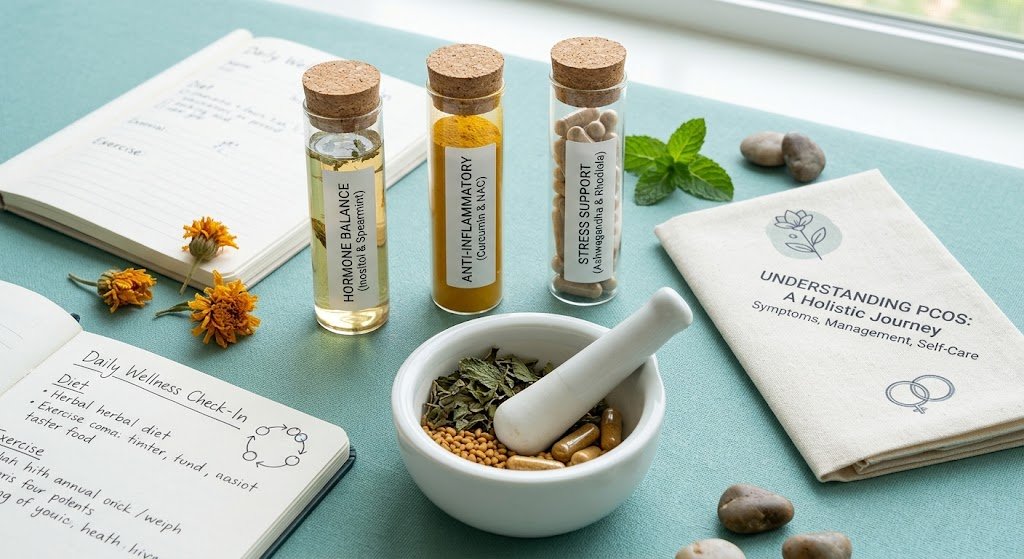
What Is PCOS?
PCOS is a hormonal condition characterized by irregular ovulation, elevated androgen levels, and metabolic imbalances. Common symptoms include:
- Irregular or missed periods
- Weight gain or difficulty losing weight
- Acne
- Excess facial or body hair
- Thinning hair or hair loss
- Fertility challenges
- Insulin resistance
- Fatigue and mood changes
Not every woman experiences the same symptoms, which is why individualized care is important.
Why Diet Matters for PCOS
Many women with PCOS have some degree of insulin resistance, meaning the body’s cells become less responsive to insulin. As insulin levels rise, the ovaries may produce more androgens, which can worsen symptoms.
A balanced diet can help:
- Improve insulin sensitivity
- Support regular ovulation
- Reduce inflammation
- Promote healthy weight management
- Improve energy levels
- Support fertility goals
Best Foods for PCOS
- High-Fiber Vegetables
Fiber helps slow digestion and may reduce blood sugar spikes.
Examples include:
- Broccoli
- Cauliflower
- Brussels sprouts
- Zucchini
- Leafy greens
- Cucumber
- Bell peppers
Aim to fill at least half your plate with non-starchy vegetables at most meals.
- Lean Protein Sources
Protein supports blood sugar balance and helps maintain muscle mass.
Good options include:
- Eggs
- Chicken breast
- Turkey
- Fish
- Greek yogurt
- Cottage cheese
- Tofu and tempeh
3. Healthy Fats
Healthy fats can help support hormone production and improve satiety.
Choose:
- Avocados
- Olive oil
- Nuts
- Seeds
- Fatty fish
4. Low-Glycemic Carbohydrates
Low-GI carbohydrates are digested more slowly and may help reduce insulin spikes.
Examples include:
- Oats
- Quinoa
- Sweet potatoes
- Brown rice
- Lentils
- Beans
5. Anti-Inflammatory Foods
Inflammation may contribute to PCOS symptoms.
Include:
- Berries
- Fatty fish
- Green tea
- Leafy greens
- Turmeric
- Tomatoes
Foods to Limit with PCOS
While no food needs to be completely forbidden, some foods may worsen symptoms when consumed frequently.
Consider limiting:
- Sugary drinks
- Candy and desserts
- White bread
- Refined cereals
- Fast food
- Deep-fried foods
- Highly processed snacks
The goal is consistency, not perfection.
Best Supplements for PCOS
Always consult a healthcare professional before starting supplements, especially if you are pregnant, trying to conceive, or taking medications.
- Myo-Inositol
Myo-inositol is one of the most researched supplements for PCOS. It may help improve insulin sensitivity, support ovulation, and promote menstrual regularity.
- Vitamin D
Vitamin D deficiency is common among women with PCOS. Maintaining adequate levels may support insulin sensitivity, immune health, and reproductive function.
- Omega-3 Fatty Acids
Omega-3 supplements may help reduce inflammation and support heart health, which is particularly important for women with metabolic concerns.
Magnesium plays a role in blood sugar regulation, sleep quality, stress management, and muscle function.
Zinc may support skin health, immune function, and hormone balance. Some studies suggest it may help with acne and hair-related symptoms associated with PCOS.
- N-Acetyl Cysteine (NAC)
NAC has gained attention for its potential role in supporting insulin sensitivity and ovulation in women with PCOS.
- Vitamin B Complex
B vitamins support energy production and overall metabolic health and may be especially important for women taking metformin.
Sample PCOS-Friendly Day of Eating
Breakfast
Greek yogurt with berries, chia seeds, and walnuts
Lunch
Grilled chicken salad with olive oil dressing and mixed vegetables
Snack
Apple slices with almond butter
Dinner
Baked salmon, roasted vegetables, and quinoa
Evening Snack
Herbal tea and a handful of pumpkin seeds
Lifestyle Tips for Managing PCOS
Diet works best when combined with healthy lifestyle habits.
Prioritize Strength Training
Building muscle can improve insulin sensitivity and support metabolism.
Stay Physically Active
Aim for regular movement, whether through walking, cycling, swimming, or resistance training.
Manage Stress
Chronic stress may affect hormones and blood sugar regulation. Activities such as meditation, yoga, and deep breathing may help.
Prioritize Sleep
Poor sleep can worsen insulin resistance and increase hunger hormones. Aim for 7–9 hours of quality sleep each night.
Can Weight Loss Improve PCOS?
For women who are overweight, even modest weight loss may improve insulin sensitivity, menstrual regularity, and ovulation. However, PCOS affects women of all body sizes, and symptom management should focus on overall health rather than weight alone.
The most effective PCOS plan is one that is sustainable, balanced, and tailored to your individual needs and health goals.