

In this article, you’ll learn the most common warning signs of endometriosis, potential causes, treatment options, and when to seek medical advice.
Many women are told that painful periods are simply part of being a woman. However, severe menstrual pain that interferes with daily life may be a sign of a condition called endometriosis.
Endometriosis affects approximately 1 in 10 women of reproductive age worldwide, making it one of the most common gynecological conditions. Despite its prevalence, many women live with symptoms for years before receiving a diagnosis.
What Is Endometriosis?
Endometriosis is a chronic condition in which tissue similar to the lining of the uterus grows outside the uterus. These growths can develop on the ovaries, fallopian tubes, bladder, bowel, and other pelvic structures. Over time, they may cause inflammation, scar tissue, and significant pain.
11 Warning Signs of Endometriosis
- Severe Period Pain
Painful periods are the most common symptom of endometriosis. The pain is often much more intense than normal menstrual cramps and may worsen over time.
- Chronic Pelvic Pain
Some women experience pelvic pain throughout the month, not just during menstruation. This pain may affect work, exercise, and daily activities.
- Pain During or After Sex
Pain during intercourse is a common symptom and may occur due to endometrial-like tissue growing behind the uterus or in nearby pelvic structures.
- Heavy Menstrual Bleeding
Periods that are unusually heavy or last longer than normal may be associated with endometriosis. Some women also experience spotting between periods.
- Difficulty Getting Pregnant
For some women, infertility is the first sign of endometriosis. Studies suggest that endometriosis is present in a significant proportion of women experiencing infertility.
- Painful Bowel Movements
Pain during bowel movements, especially around menstruation, may occur when endometriosis affects tissues near the intestines.
- Painful Urination During Your Period
Some women experience bladder pain or discomfort while urinating, particularly during menstruation.
Many women with endometriosis report persistent bloating, sometimes called “endo belly.” This symptom may worsen around the menstrual cycle.
- Fatigue
Chronic inflammation, pain, and heavy bleeding can contribute to ongoing fatigue and low energy levels.
- Lower Back Pain
Pain may extend beyond the pelvis and affect the lower back, especially during menstruation.
- Digestive Problems
Constipation, diarrhea, nausea, and abdominal discomfort are common complaints among women with endometriosis and can sometimes be mistaken for IBS.
What Causes Endometriosis?
Researchers do not yet know the exact cause of endometriosis. Several theories have been proposed, including:
- Retrograde menstruation
- Immune system dysfunction
- Genetic factors
- Hormonal influences
- Cellular changes during development
Family history appears to increase the risk, suggesting a genetic component.
Who Is at Higher Risk?
You may have a higher risk of endometriosis if you:
- Have a close family member with endometriosis
- Started your periods at an early age
- Have short menstrual cycles
- Have heavy menstrual bleeding
- Have never given birth
These factors do not guarantee that you will develop endometriosis, but they may increase the likelihood.
How Is Endometriosis Diagnosed?
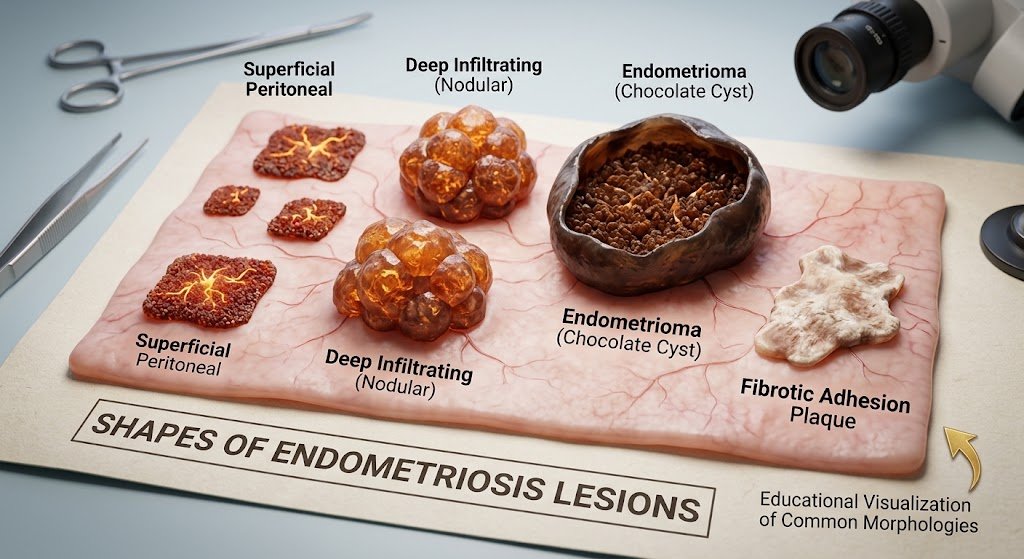
Diagnosis often begins with a review of symptoms and medical history. A healthcare provider may recommend:
- Pelvic examination
- Ultrasound
- MRI
- Laparoscopy in selected cases
Treatment Options
Although there is currently no cure for endometriosis, treatment can help manage symptoms. Options may include:
Pain Relief Medications
Over-the-counter pain relievers may help reduce discomfort.
Hormonal Treatments
Hormonal therapies can help suppress endometrial-like tissue growth and reduce symptoms.
Surgery
In some cases, surgery may be recommended to remove endometriosis lesions and improve quality of life.
When Should You See a Doctor?
Talk to a healthcare professional if you experience:
- Severe period pain
- Pain that interferes with daily activities
- Pain during sex
- Ongoing pelvic pain
- Difficulty becoming pregnant
- Heavy or unusual menstrual bleeding
Early diagnosis may help reduce complications and improve symptom management.
Endometriosis is more than just painful periods. It is a chronic condition that can affect fertility, daily functioning, and quality of life. If you recognize several of these warning signs, seeking medical advice may help you get answers and access appropriate treatment sooner.
Understanding the symptoms of endometriosis is the first step toward getting the support and care you deserve.
References
1- https://www.mayoclinic.org/diseases-conditions/endometriosis/symptoms-causes/syc-20354656
2- https://www.nichd.nih.gov/health/topics/endometri/conditioninfo/symptoms